You call that work?
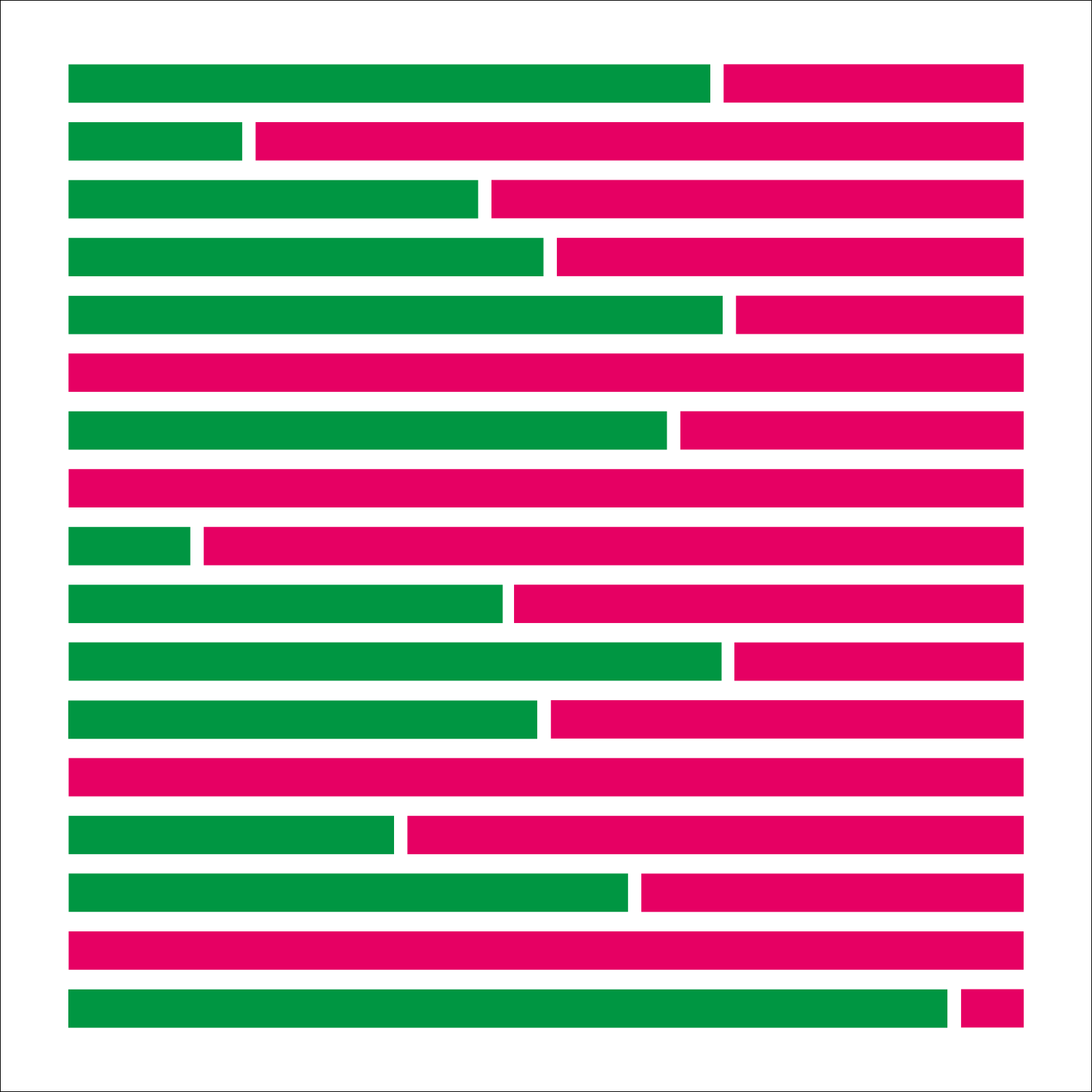
Paid and unpaid work in the UK economy, in money terms. Red is paid; green is unpaid. Unpaid includes care of adults and children, cooking, cleaning, driving, DIY and volunteering.
Share this image
Unpaid work is among the most productive economic activity that people do, but none of it is included in the government’s measure of national output, which is GDP.
The image shows paid and unpaid work, as last measured in 2016. On the right, in pink, is the paid work, with each row representing an area of activity such as agriculture, retail, construction, etc. On the left, in green, is the unpaid work, including childcare, adult care, cooking, cleaning, driving, DIY and volunteering.
Unpaid work is two fifths of all work, according to this method of calculation, and all that unpaid work would have to be paid for if we didn’t do it for ourselves. So it is real, productive work. But whereas paid work is measured constantly, with small movements in GDP creating news headlines, measurements of unpaid work are extremely rare. For politicians and policymakers, the economy is all about paid work, and unpaid work doesn’t get a look in.
That’s a major loss, because, in terms of wealth creation, unpaid work is among the most useful and effective – i.e. valuable – of all the things we do. It has a direct and immediate impact on the quality of our lives. Having the time and the opportunity to do more unpaid work is a quick way of helping people to feel better off.
Data sources: GVA in the paid economy, 2022 – data from ONS here, release 28 March 2025. GVA of unpaid work by households – data from ONS here, 2022 edition.
Videos relating to this image
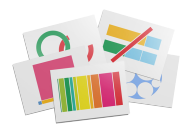
Postcards and T-Shirts